Uruguay's residential market runs on the same ground rules as the farmland market: equal rights for foreigners, no approval requirement, transactions in US dollars, a notary-led process, free repatriation of capital. What differs is location logic, use profiles and above all how a return is generated.
Four property types, four different businesses
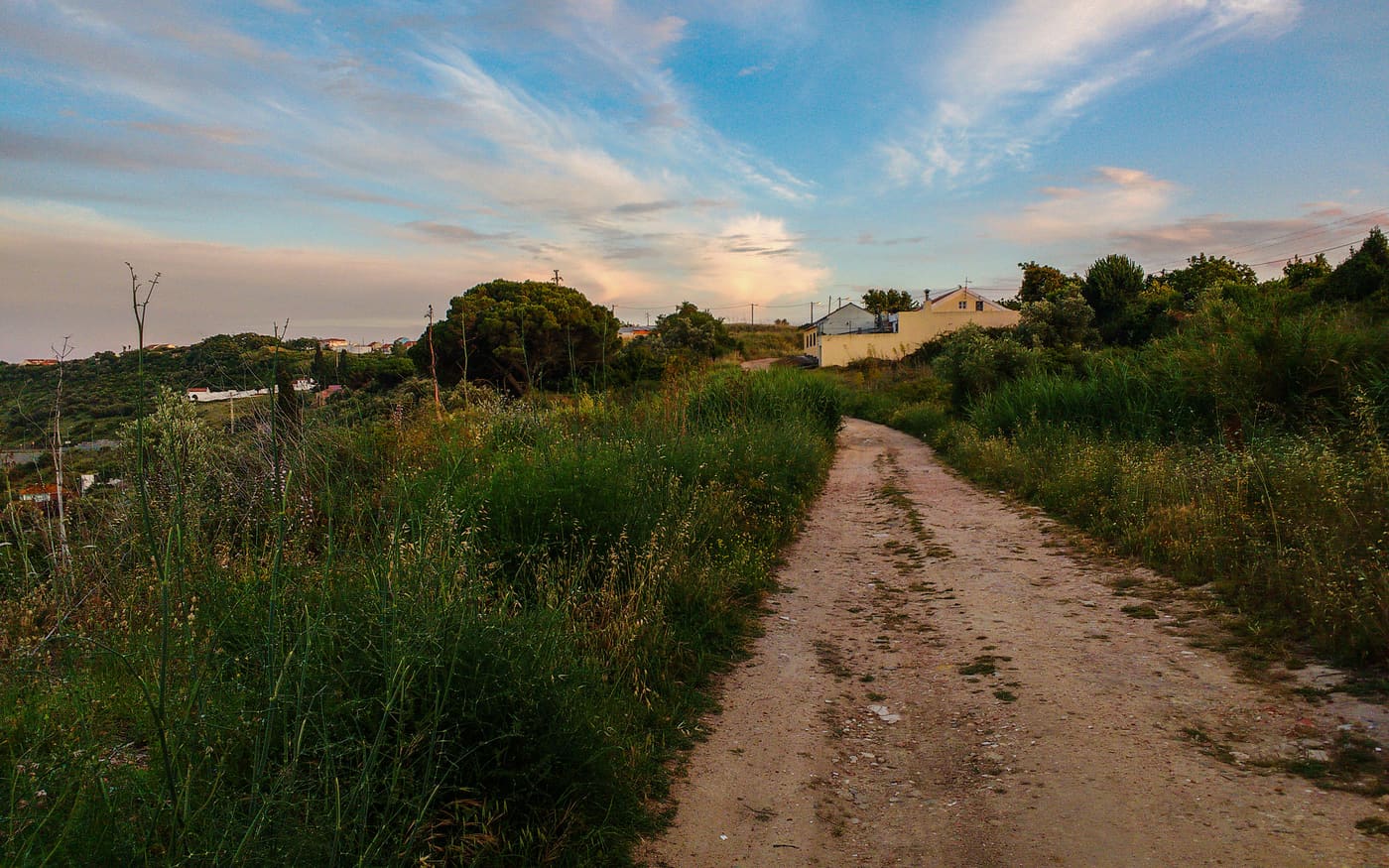
Chacra and finca: a country seat with land
A chacra is a smaller rural property, typically between roughly 5 and 100 hectares, often within reach of Punta del Este, Colonia or Montevideo. The purpose is living and quality of life rather than commercial farming: the scale for a viable operation is generally absent.
Typical uses are a second home with equestrian facilities, small-scale viticulture, an olive grove or a guesthouse concept. Buying a chacra is mostly buying quality of life with an agricultural veneer, and it should be underwritten as such.
For clients holding farmland a chacra often makes sense as a complement: the operation sits inland and is leased or run by a manager, while the chacra sits near the coast as a base for visits.
Punta del Este and the coast: the seasonal market
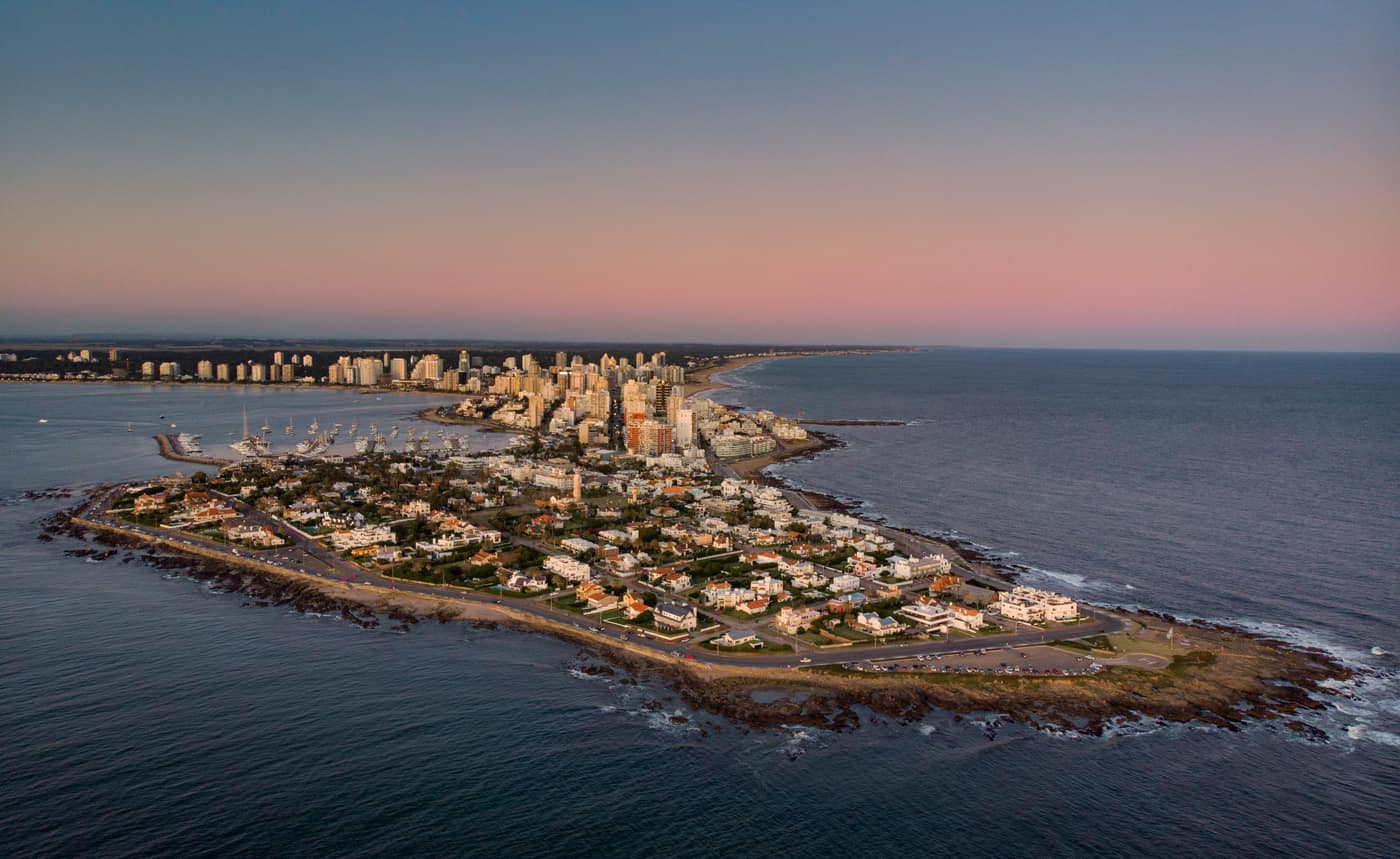
The coast between Punta del Este, La Barra, Manantiales and José Ignacio is the country's most expensive and internationally best-known residential market. It is markedly seasonal: demand concentrates from December to February, when Argentine and Brazilian visitors arrive.
That shapes the yield mechanics fundamentally. Short-term letting can achieve very high daily rates in high season and often carries most of the annual result in a few weeks. Outside the season a substantial part of the stock stands empty. Anyone modelling on annual averages without the seasonal curve is modelling wrongly.
Montevideo: the year-round market
The capital works the other way round: lower peaks, but year-round demand from professionals, diplomats and students. The coastal neighbourhoods Carrasco, Punta Carretas, Pocitos, Puerto Buceo and Malvín form the upper price segment, with Carrasco leading.
For a pure income asset with predictable cash flow, Montevideo is usually the more sober choice than the coast. Rents are lower, but they arrive twelve months a year and do not depend on one season and two neighbouring countries.
Colonia and Carmelo: the quiet alternative
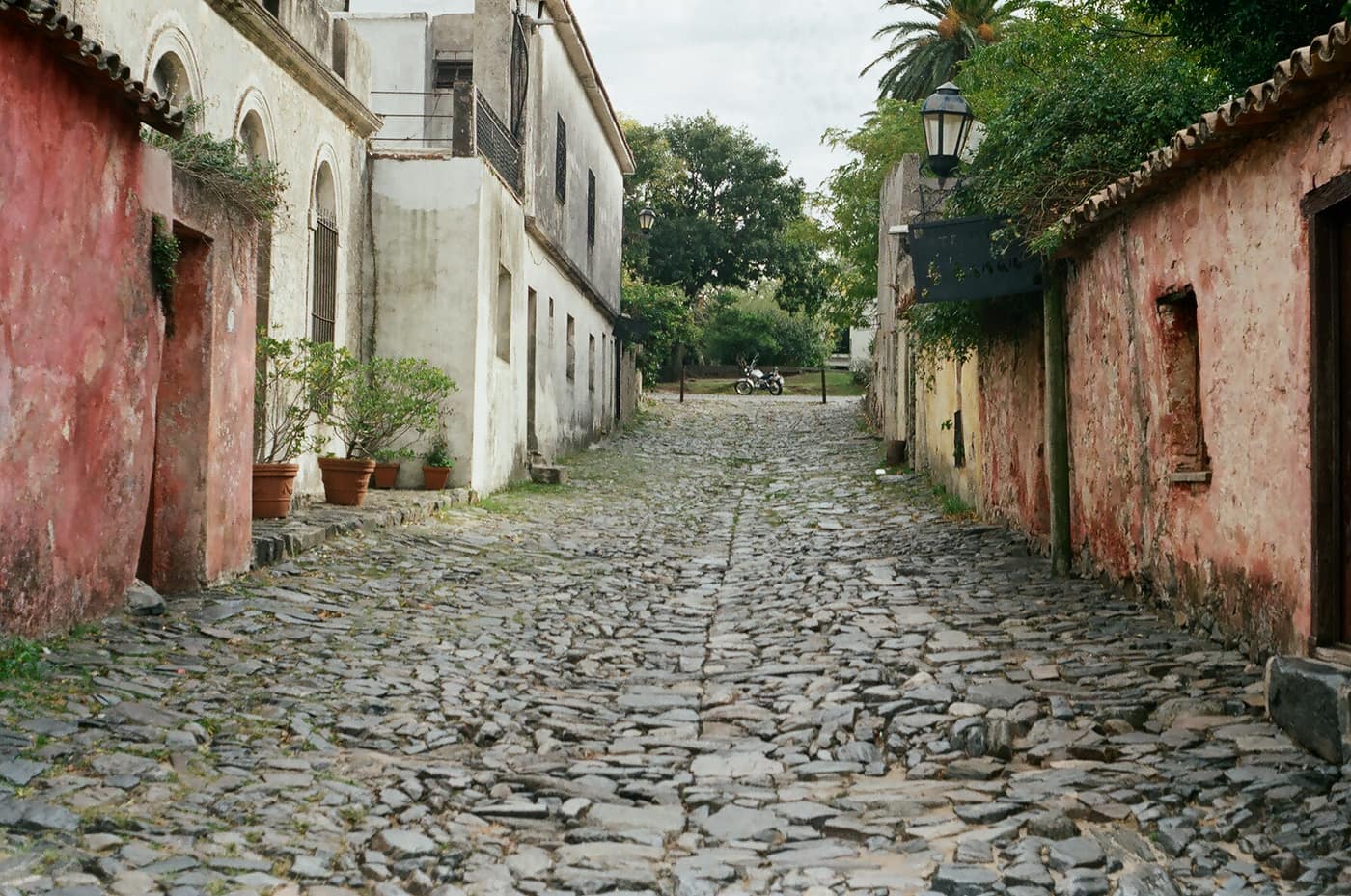
In the southwest, close to the Buenos Aires ferry, a smaller market has developed around Colonia del Sacramento and Carmelo: historic town houses, wine estates with guest operations, country houses on the Río de la Plata. Materially below Atlantic coast pricing, with a different and more year-round clientele.
Colonia is at the same time the country's most expensive farming department. For anyone seeking land and a residence in the same region, this is where the overlap is densest.
Square-metre prices for orientation
Asking-price data for 2025/26, rounded. Between asking price and actual completion there is customarily a gap of 5 to 15 percent depending on location, time on market and the seller's situation.
| Location | USD per m² | Basis |
|---|---|---|
| Montevideo, apartments on average | ≈ 3,330 | market analysis 2026 |
| Montevideo, Carrasco | 4,260 to 4,400 | market analysis 2026 |
| Montevideo, Pocitos and Punta Carretas | 3,600 to 4,000 | market analysis 2026 |
| Punta del Este, subsidised housing scheme | from ≈ 2,500 | asking range |
| Punta del Este, mid segment | 2,500 to 4,500 | asking range |
| Punta del Este, front-line beach | 7,000 to 10,000 | asking range |
For a sense of unit sizes: two-room apartments of around 45 m² trade in the coastal market at roughly USD 145,000 on average, three-room units of around 69 m² at roughly USD 192,500.
How the return is generated
| Coast, short-term | Montevideo, long-term | |
|---|---|---|
| Income profile | peaks in high season | even across the year |
| Main risk | vacancy out of season | tenant turnover, maintenance |
| Dependence | Argentina and Brazil | the local economy |
| Effort | high, servicing every changeover | low |
| Own use | easy out of season | difficult under a long lease |
Both differ structurally from farmland. There a multi-year lease carries the asset, indexed in kilograms of soybeans per hectare, with no vacancy, no tenant turnover and no building to maintain. Anyone seeking quiet in a portfolio is more likely to find it in land than in an apartment.
What to verify before buying
- Title history and registry: unbroken chain, no encumbrances, no unresolved succession. As with farmland.
- Building permits and grandfathering: later extensions are common in the coastal market and not always properly permitted.
- Condominium rules and reserves: level of the service charge, upcoming refurbishment, state of the sinking fund.
- Existing tenancies: term, indexation, notice periods. You buy the contract with the property.
- Settle management before buying: without reliable local administration, a short-let coastal property cannot be run from Europe.
- Outstanding levies: Contribución Inmobiliaria and municipal charges transfer to the buyer.
What we say plainly about this
Residential property is not our core business and we do not pretend otherwise. For a pure beachfront apartment in Punta del Este, specialised local firms are better placed than we are, and we say so rather than take a mandate that would be better served elsewhere.
Our contribution lies where residential and agricultural holdings have to be thought through together: ownership structure, the overall tax picture from a DACH perspective, alignment with a residence permit, and how both fit into succession planning. Those questions are settled before the first purchase, not after.
Frequently asked questions
What does an apartment in Montevideo cost?
Asking-price data for 2025/26 puts the average at roughly USD 3,330 per square metre. The coastal neighbourhoods Carrasco, Punta Carretas, Pocitos, Puerto Buceo and Malvín sit above that, with Carrasco over USD 4,300/m².
What does property in Punta del Este cost?
Depending on location, between roughly USD 3,500/m² in Manantiales and around USD 5,500/m² in José Ignacio. The peninsula sits at about 5,000 and the centre at about 4,500 USD/m². These are asking-price figures, not official statistics.
Can foreigners buy residential property in Uruguay?
Yes, on the same terms as Uruguayan citizens. No special permits, no residence permit and no local bank account are required.
What is a chacra?
A smaller rural property, typically between roughly 5 and 100 hectares, used mainly for living and leisure. It generally lacks the scale for commercial farming.
Is short-term letting in Punta del Este worthwhile?
It can achieve high daily rates in the December to February high season, but carries the annual result in a few weeks and leaves a substantial part of the year vacant. Without reliable local management it cannot be run from Europe.
What are the closing costs on a property purchase?
For the buyer typically 7 to 8 percent on top of the price: agent commission, notary fees, ITP transfer tax and registry costs. The same rates apply to residential and agricultural property.
Sources
- Market analyses by Uruguayan agencies (asking prices, not official statistics) ↗
- DIEA / MGAP: “Precio de la Tierra” series (farmland) ↗
- Cámara Inmobiliaria Uruguaya: Arancel Oficial ↗
Verified on 2026-07-28
This page is for information only and does not constitute legal, tax or immigration advice. AegisTierra coordinates vetted local specialists; binding advice comes from them alone.